Your work truck is idling at a jobsite. The lights stay steady until the onboard electric air compressor starts. Then they dim, the voltage reading falls, or a charger resets.
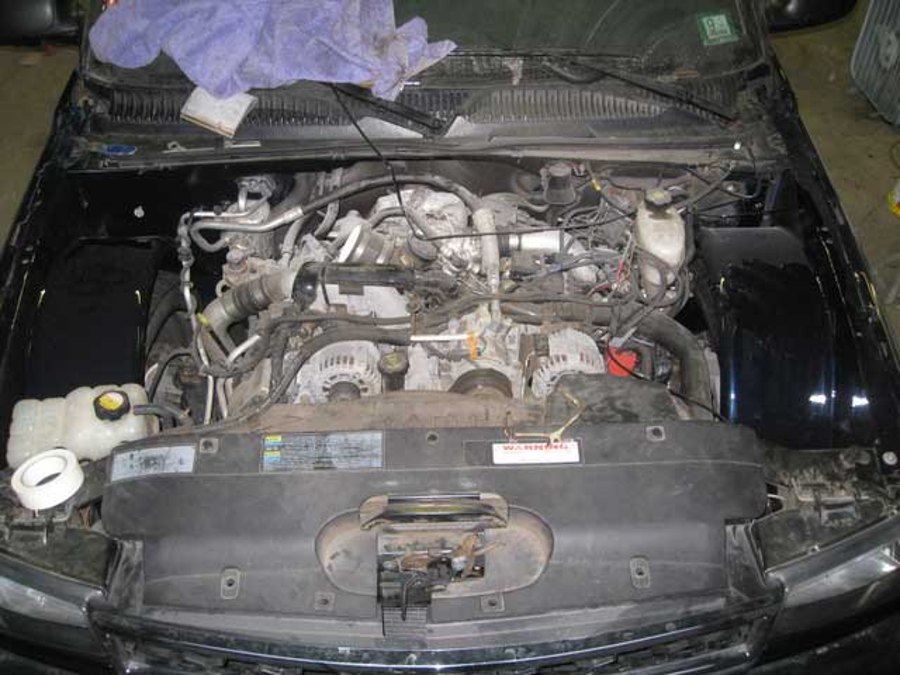 The compressor motor draws extra current at startup. A brief dip may occur, but a large or lasting drop needs investigation. The combined load may exceed the charging system’s output at idle. A weak battery, poor ground, loose connection, or undersized cable can cause similar symptoms.
Watch what happens after the compressor starts. Does voltage recover, or stay low until the motor stops? That distinction helps you identify the cause before comparing alternator upgrades.
Why Does Startup Affect Voltage?
An electric compressor needs power to get its motor turning. For a short moment, its current demand can be higher than its normal running draw. The demand may also vary with the compressor’s design and the pressure at which it starts.
The truck must supply that power while running everything already switched on. Work lights, chargers, radios, HVAC, and vehicle electronics do not pause when the compressor starts.
A momentary dip followed by recovery differs from voltage that stays low throughout the compressor’s cycle. The second pattern may indicate that the combined electrical load exceeds available alternator output. It can also point to excessive voltage drop along a cable or connection.
This discussion applies to electric compressors powered by the truck’s electrical system. An engine-driven compressor has a different load path and requires a different diagnosis.
What Should You Notice When the Compressor Cycles?
Watch the truck before, during, and after the compressor starts. Useful clues include:
- Lights dim briefly, then recover: The system may be responding to motor startup.
- Lights remain dim while it runs: The sustained load or a wiring problem needs attention.
- Chargers or radios reset: Voltage may be falling enough to interrupt sensitive equipment.
- The compressor starts slowly: It may not be receiving adequate voltage at its terminals.
- The battery warning light appears: Have the charging system tested rather than assuming the compressor is at fault.
- The battery is weak after a job: It may be supplying power that the alternator does not replace.
- The problem improves above idle: Alternator output may be higher at increased engine speed.
A dashboard display can show a trend, but it may not reveal where voltage is being lost. A technician can compare readings at the battery, alternator, and compressor while the fault occurs.
Why Does It Happen More Often at a Jobsite?
A work truck may spend much of its day parked with equipment running. The compressor is rarely the only load.
For example, a crew might have compartment lights on, tool batteries charging through an inverter, and a radio operating. The electric compressor then starts to refill its tank. The combined electrical demand rises even though no other equipment was just switched on.
How often the compressor cycles matters, too. A single short run gives the battery and charging system time to recover. Frequent cycling alongside continuous loads can make battery drain more noticeable.
A tow truck presents a related challenge during roadside work. Warning lights, scene lights, radios, and auxiliary equipment may run at idle. Add an electric air compressor, and the charging system must support another load during an already demanding period.
Is the Factory Alternator Enough?
A factory alternator may handle an electric compressor when the truck has few added accessories. The question changes once lights, chargers, and an inverter run alongside it.
For a parked work truck, output at idle matters most. The alternator may deliver less power at idle than it does while driving. If the compressor and other equipment use more than it supplies, the battery covers the shortfall. That can leave the truck slow to start after a long job.
Test the existing alternator under load before choosing a larger one. A unit that no longer works properly needs repair or replacement. A healthy unit that cannot meet the truck’s measured demand may call for more capacity.
Check Where the Voltage Falls
Measure voltage while the compressor starts and while it runs. A qualified technician can compare readings at four points:
- Battery terminals: Does voltage fall throughout the truck when the compressor starts?
- Compressor supply: Is voltage lower here than at the battery?
- Ground and connections: Is resistance causing a drop along the circuit?
- Alternator output: Is it supplying power as expected under the combined load?
If battery voltage stays steady but compressor voltage falls, focus on the compressor’s cables, fuse, relay, and ground. If voltage falls across the truck, test the battery and charging system.
Follow the compressor manufacturer’s cable and fuse specifications. A larger fuse will not repair a voltage drop and may leave the circuit improperly protected.
Could Something Else Be Causing the Problem?
Yes. A compressor-related voltage drop does not prove the truck needs a larger alternator. Possible causes include:
- A weak or partly discharged battery
- Corroded battery terminals
- Poor compressor or chassis grounds
- Loose, damaged, or undersized cables
- A slipping belt or faulty tensioner
- A failing alternator
- A compressor motor or installation fault
- Other equipment drawing unexpected power
Look at how the compressor behaves, too. Slow starts, unusual heat, or frequent cycling can point to a problem with the compressor or air system. If the truck also loses charge overnight, investigate that separately from the drop during compressor startup.
How Much Alternator Output Does the Truck Need?
Start with what the truck uses at idle. Add the lights, chargers, inverter, and other accessories operating when the compressor starts. Include the compressor’s normal running draw. Its motor may briefly demand more power at startup.
For a basic DC estimate, use amps = watts ÷ volts. A 360-watt load divided by 12 volts equals 30 amps. This is only an estimate. Actual current changes with voltage and equipment use.
A technician can measure total demand and available alternator output during a typical job. Compare those readings at idle, when the truck often powers its equipment. The charging system also needs capacity to replenish the battery after temporary loads.
A Jobsite Example: What the Dip Can Reveal
A utility truck idles with compartment lights, a radio, and two tool chargers running. When its electric compressor starts, the lights dim briefly, then recover.
Later, the compressor cycles more often. The lights now stay dim until each cycle ends. The first dip may be a startup response. The sustained drop needs investigation.
The crew should check why the compressor cycles so often, then measure voltage at the battery and compressor. Testing may reveal a weak battery, a poor connection, limited alternator output at idle, or more than one problem. The results determine the repair.
When Can a High-Output Alternator Help?
A high-output alternator may help when the compressor and other equipment repeatedly exceed the truck’s available charging capacity. That is more likely if voltage remains low while equipment runs or the battery loses charge during normal work.
Compare alternator upgrades for work vehicles using vehicle fitment and output at idle. Include the truck’s year, make, model, engine, compressor specifications, and other electrical loads.
The charge wiring must also support the installation. For compatible high-output setups, an alternator-to-battery wire upgrade addresses that path. The compressor still needs its own correctly sized supply and ground connections.
Frequently Asked Questions
Is a brief voltage dip when the compressor starts normal?
A brief dip can occur during motor startup. Have it checked if the drop is severe, equipment resets, or voltage does not recover.
Why is the drop worse while my truck idles?
Alternator output may be lower at idle. The compressor may also be starting while other jobsite equipment uses power.
Will a bigger battery stop the lights from dimming?
It may support a brief demand, but it will not repair poor wiring or a charging system that cannot sustain the load.
Can a bad ground affect only the compressor?
Yes. A poor connection in its circuit can reduce voltage at the compressor even when voltage at the battery remains higher.
Does the compressor’s fuse rating tell me what alternator I need?
No. The fuse protects the compressor circuit. Alternator sizing depends on the truck’s total simultaneous load and available output.
Find the Cause of the Compressor Voltage Drop
If your work truck voltage drops when the air compressor starts, note whether it recovers quickly or stays low while the motor runs. Check the compressor circuit, battery, grounds, belt, and charging output with the usual jobsite equipment switched on.
When testing confirms that the factory alternator cannot support the combined load, contact us to share your truck and equipment details. Those details can help identify an alternator suited to how the truck works.
Related Work Truck Guides
More for work vehicles: High Output Alternators for Work Trucks, installation instructions and FAQ & troubleshooting. To see alternators listed for your truck, choose your make and model.



 View ALL Makes
