Your service truck is idling at a customer’s site. The work lights are on, tool batteries are charging, and an electric compressor cycles throughout the job. By the time you pack up, the truck cranks slowly or needs a jump.
 The battery may be supplying more power than the charging system replaces. This can happen when several pieces of equipment run together, especially while the engine idles. The battery covers the shortfall, so it gradually loses charge even though the engine is running.
A weak battery, poor connection, damaged cable, slipping belt, or failing alternator can cause the same result. Before replacing the battery again, check the truck under the conditions in which the drain occurs.
Why Does the Battery Lose Charge With the Engine Running?
The alternator supplies power to the truck’s electrical systems and charges the battery. When equipment demands more than the charging system can provide, the battery supplies the difference.
That extra demand may last only a few seconds when a motor starts. On a service truck, it can also continue for much of the workday. Chargers, lights, radios, and other equipment may remain on while larger loads cycle in and out.
For example, one charger may have little effect on its own. Add work lights, an inverter, and a compressor, and the combined electrical load becomes much greater. If alternator output at idle cannot keep up, the battery’s charge falls over time.
What Signs Point to a Charging Shortfall?
Slow cranking after a job is one clue. Look for other changes while equipment is operating:
- Voltage falls as equipment starts: The charging system, battery, or wiring may struggle under the added load.
- Lights dim or flicker: Voltage may be dropping when a compressor or other high-draw device runs.
- Chargers or radios reset: A brief voltage drop may interrupt their power.
- The battery warning light appears: The charging system needs testing, though the warning does not identify the failed part.
- The truck starts normally after driving: Charging performance may improve above idle.
- Batteries need frequent replacement: The battery may be repeatedly discharged, or an underlying fault may remain unresolved.
Note when each symptom appears. A battery that drains during an idling job calls for a different investigation from one that drains overnight while the truck is off.
Why Are Service Trucks Hard on Batteries?
A service truck often powers equipment while parked. The engine may idle for hours as the crew works, but the truck’s electrical demand keeps changing.
Depending on the job, its equipment may include:
- Exterior and compartment lights
- An inverter and tool battery chargers
- An electric air compressor
- Test equipment and auxiliary electronics
- Radios and communication systems
- Vehicle HVAC and factory electronics
Some devices run steadily. Others, such as a compressor, draw power in short cycles. Several tool batteries may be charging when the compressor starts and the lights are on.
The battery helps handle brief demands. Problems develop when it repeatedly supplies more power than the alternator replaces. That can happen during long periods of idling, when alternator output may be lower than at driving speeds. By the end of a service call, the battery may have less charge than it had on arrival.
Is the Factory Alternator Enough?
The factory alternator is selected around the truck’s original electrical needs. Added service equipment increases the load it must support.
A truck that occasionally charges one tool battery may have enough capacity. A mobile repair truck running lights, chargers, an inverter, and a compressor throughout the day places a different demand on the charging system.
Output at idle matters because much of that work happens while the truck is stationary. If the battery drains during service calls but appears to recover after driving, have the charging system tested at idle with the usual equipment operating.
A voltage reading with everything switched off may miss the problem. The useful test recreates the load that causes the battery to lose charge.
When Can a High-Output Alternator Help?
A high-output alternator may help when testing shows that the truck’s normal electrical load exceeds its available charging output. Signs include:
- The battery loses charge during service calls
- Voltage falls when several accessories operate together
- Problems worsen during long periods of idling
- Recently added equipment has increased demand
- More tools or electrical accessories are planned
Choose an alternator based on vehicle fitment and usable output at idle. The highest advertised amperage is only one part of the comparison. Once a charging shortfall is confirmed, alternators for demanding electrical systems can be compared with the way your truck works.
A larger alternator will not repair a loose ground, damaged cable, or failed battery. Address those faults first.
Could Something Else Be Draining the Battery?
Yes. Battery drain during equipment use does not prove the alternator is too small. Check for:
- A weak battery that no longer holds a full charge
- Corroded terminals or poor ground connections
- Loose, damaged, or undersized charge cables
- A worn belt or faulty tensioner
- A failing alternator or charging control issue
- Incorrectly installed aftermarket equipment
- A parasitic draw after the truck is switched off
More than one issue can exist. A truck may start a job with a partly discharged battery because equipment was left on overnight. A poor cable connection can then limit charging while the engine runs.
Have the battery tested and check voltage drop under load. If the truck uses an auxiliary battery, test its charging path separately. The starting battery and auxiliary equipment may not receive power through the same connections.
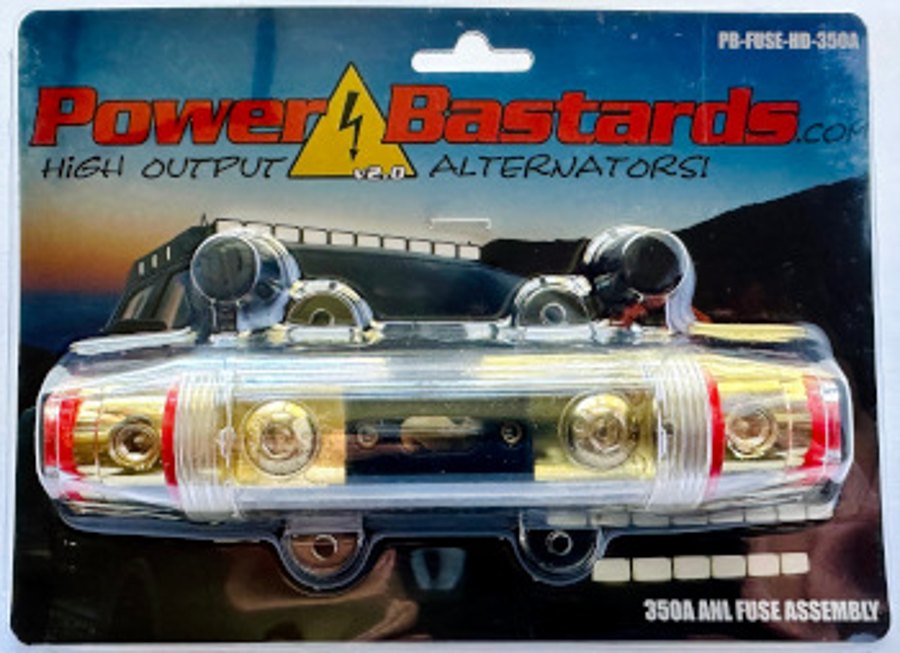
An alternator upgrade may also require a suitable charge wire. For compatible installations, an alternator-to-battery wire kit can upgrade that path. Inverter and auxiliary battery wiring still need their own evaluation.
How Much Alternator Output Does a Service Truck Need?
There is no single amperage rating for every service truck. List the truck’s factory electrical needs and added equipment. Note which devices run together, especially while idling.
A simple DC estimate is amps = watts ÷ volts. At 12 volts, a 600-watt load equals 50 amps. That figure is a starting point. Inverter conversion uses additional power, motors can draw brief startup surges, and the truck’s own systems remain active.
A technician can measure battery condition, total electrical load, and alternator output during a typical service call. Include planned equipment so the charging system supports the work the truck will do next.
A Service Call Example: Why the Battery Falls Behind
A mobile technician parks outside a customer’s building. The engine idles while compartment lights, a radio, and two tool chargers run. An electric compressor cycles several times during the repair.
The truck starts easily that morning. After two hours at the site, its voltage is lower. At the next stop, the engine cranks slowly.
The combined equipment load may have exceeded alternator output at idle. The battery supplied the difference until its charge fell. Yet a weak battery, poor ground, or restricted charge cable could produce a similar result.
The technician needs the battery and charging system tested with the equipment running. Those results will show whether the truck needs a repair, a wiring correction, more charging capacity, or some combination of them.
How Do You Choose the Right Alternator?
Start with the truck’s year, make, model, engine, and factory charging system. Then document its added equipment and normal working routine.
Pay attention to how long the truck idles, which accessories run together, and whether an auxiliary battery is installed. Check the battery, belt, grounds, cables, and connections before sizing an upgrade.
The right alternator should fit the vehicle and support its measured electrical demand during normal service work. A maximum amperage number alone cannot tell you how the full setup will perform at a jobsite.
Frequently Asked Questions
Can a service truck battery drain while the engine runs?
Yes. If equipment uses more power than the charging system supplies, the battery covers the difference and loses charge.
Why does the battery drain mainly at idle?
Alternator output may be lower at idle. Test the truck with its usual equipment running while parked.
Will a new battery solve repeated drain?
Only if the old battery is the cause. A new battery can also drain if the underlying charging shortfall remains.
Can poor wiring cause battery drain?
Yes. Loose connections, corrosion, or undersized cables can limit charging power reaching the battery. Test for voltage drop under load.
Does every service truck need a high-output alternator?
No. An upgrade makes sense when testing shows that the factory charging system cannot sustain the truck’s normal equipment load.
Stop the Battery Drain at Its Source
If your service truck battery drains while equipment is running, record what is switched on and when the problem appears. Test the battery, wiring, grounds, belt, and charging output under that same load. The results will distinguish an equipment demand problem from a fault that needs repair.
If you are unsure which alternator fits your truck and equipment, tell us how you use it. We can help you compare options based on its electrical demands.
Related Work Truck Guides
More for work vehicles: High Output Alternators for Work Trucks, installation instructions and FAQ & troubleshooting. To see alternators listed for your truck, choose your make and model.



 View ALL Makes
