A work truck is often a mobile power plant. It runs lights, an inverter, tool chargers, a compressor and radios, often for hours while the engine idles at a jobsite. The factory charging system was sized for the truck as it left the dealer, not for the equipment added since. This page explains where that extra demand comes from, how to tell whether the charging system is keeping up, and how to find a high output alternator listed for your truck.
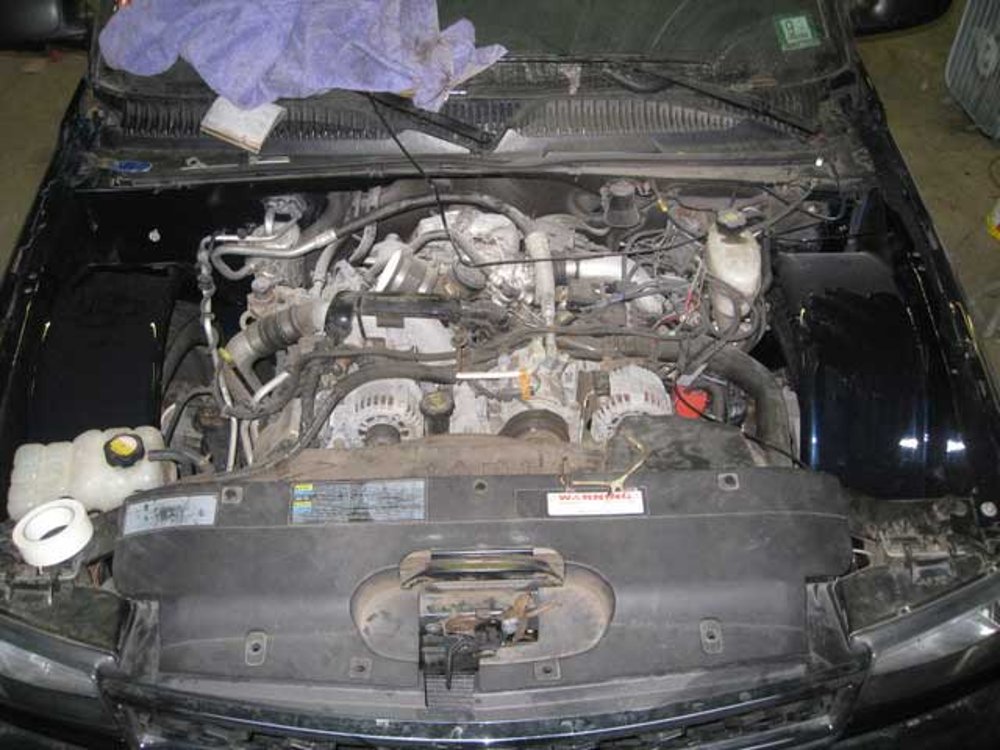
Find your alternator. Choose your truck's make, model and engine in the GET AMPS FOR selector at the top of this page, or start from the full list of makes.
Find Your Alternator
Where Work Trucks Need More Charging Capacity
Every truck below starts with a factory alternator. The difference is how much equipment runs at the same time, and for how long, while the engine idles:
- Service and utility bodies: compartment and scene lighting, tool battery chargers, an inverter and an electric air compressor.
- Contractor pickups: an inverter running saws and chargers at the jobsite, plus work lights at the start and end of the day.
- Tow and recovery trucks: warning lights, work lights, radios and a winch, often during long roadside stops at idle.
- Upfitted vans and box trucks: shelving lights, inverters, refrigeration or specialty equipment powered from the chassis battery.
- Fleet and municipal trucks: two-way radios, computers, cameras and warning lights that stay on for the whole shift.
Understanding a Work Truck's Electrical Demand
The alternator has to supply everything that is switched on and also recharge the battery. When the equipment asks for more than the alternator delivers, the battery makes up the difference. It slowly discharges even though the engine is running.
Continuous and intermittent loads
Some loads run steadily: lights, radios, chargers, the truck's own electronics and HVAC. Others come and go: an air compressor cycling, a winch, a saw on an inverter. A useful estimate adds the continuous loads, then the intermittent loads that really run at the same time, rather than every device's maximum rating.
Output at idle matters most
An alternator's rated output is usually reached at higher engine speed. At idle it typically produces less, and a parked work truck spends much of its day at idle. When you compare alternators, ask for the output at idle as well as the maximum figure.
Inverter loads
An inverter draws more DC power than the AC power it delivers, because the conversion is not 100% efficient. Its rating is a maximum, not what it draws. A 2,000-watt inverter powering a 400-watt charger draws far less than one running a saw under load. Motors can also need a brief startup surge. That surge is a question for the inverter's surge rating, not a reason to size the alternator for the peak.
For a quick DC estimate, divide watts by volts: 1,200 watts at 12 volts is about 100 amps before inverter losses. A technician can measure the real figures with your usual equipment running.
Signs the Charging System Is Falling Behind
- Lights dim when a compressor, saw or winch starts, and stay dim while it runs.
- The inverter reports low input voltage or shuts off when tools start.
- The battery is weak at the end of a job even though the engine idled all day.
- Chargers, radios or onboard electronics reset.
- Problems improve when the engine runs above idle.
These symptoms can also come from a weak battery, a poor ground, an undersized cable or a slipping belt. Test those first. The guides below walk through each situation:
How to Choose a High Output Alternator for a Work Truck
- Start with fitment. Choose the truck's year, make, model and engine in our vehicle selector. Only alternators listed for that vehicle should be considered.
- List the loads that run together. Write down what is on while the truck idles at a typical job, including planned equipment.
- Compare output at idle and maximum output. Each product page lists its rating. For a truck that works parked, the idle figure carries more weight.
- Check the charge path. A higher output alternator needs a charge cable, fuse and grounds sized for the current.
- Check the battery and belt. A worn battery or slipping belt will limit any alternator.
Not sure which option suits your truck and equipment? Contact us with the truck's year, make, model and engine and a list of the equipment it powers.
Technical Considerations
- Charge wire: the factory alternator-to-battery cable was sized for the factory alternator. Our BIG ZERO 0 AWG wire kit upgrades that path for high output installations. Inverters still need their own cables and fuses sized to the inverter maker's specifications.
- Circuit protection: fuse every added circuit to the cable and equipment rating. A larger fuse does not fix a voltage drop.
- Auxiliary batteries: trucks with a second battery for equipment need a charging path to it, such as an isolator or the system the upfitter installed. See our 270 amp two-post battery isolator and its specifications.
- Grounds: engine-to-chassis and battery grounds carry the same current as the positive side. Corrosion or a loose ground causes voltage drop under load.
- Installation: see our installation instructions and FAQ & troubleshooting.
Shop by Truck Make
Medium and heavy duty trucks have their own categories. Choose the make, then the model and engine:
View all makes
Frequently Asked Questions
Does every work truck need a high output alternator?
No. If the battery stays charged and voltage holds steady with your usual equipment running at idle, the factory system may be enough. An upgrade makes sense when testing shows the normal load exceeds the charging output.
Which matters more for a work truck, maximum output or idle output?
For a truck that powers equipment while parked, output at idle usually matters more, because that is where the truck spends its working time.
Can I size the alternator from my inverter's rating?
Not directly. The inverter's rating is a maximum. Size from what it actually powers, plus conversion losses and the truck's other loads running at the same time.
Will a bigger battery fix voltage drop at the jobsite?
A battery can cover short peaks. It cannot replace charging output that is consistently lower than the load.
How do I know an alternator fits my truck?
Use the year, make, model and engine selector. Products are listed by vehicle, and the store's terms ask customers to verify fitment before ordering. If your truck is not listed, contact us before you buy.



 View ALL Makes
