If you’ve spent more than five minutes researching high output alternators, you’ve seen it:
 "Do the Big 3."
Many moons ago, that advice wasn't wrong. But today, blindly following that advice isn’t just outdated — it can actually reduce charging system performance and interfere with how your vehicle is designed to operate.
What Is the “Big 3”?
The “Big 3” is a term used to describe upgrading your vehicle’s charging system wiring, typically to support the installation of a high output alternator.
It usually includes:
Alternator to battery cable upgrade
Engine-to-chassis ground upgrade
Battery-to-chassis ground upgrade
Starter cable upgrade (sometimes called the “Big 4”)
The idea was simple:
Add more wire → reduce resistance → improve charging
That worked in 1998…
The Problem: Modern Vehicles Aren’t Dumb Anymore
Older vehicles had basic charging systems
Fixed voltage regulators
Minimal monitoring
No real-time feedback
Modern vehicles are completely different.
They use PCM's, computer-controlled charging systems, that actively manage alternator output based on real-time data.
And that’s exactly where the Big 3 starts to fall apart.
The Hidden Component: Battery Current Sensors (BCS / IBS)
Most modern vehicles — including Honda, GM, Ford, BMW, Subaru, Jeep, Dodge, Hyundai, Kia, Nissan, Toyota and many others — use a Battery Current Sensor (BCS).
You’ll typically find it:
Mounted directly on the negative battery terminal
Built into the factory ground cable
Using Hall-effect sensing to measure current flow
This sensor is part of a broader system often called:.
IBS (Intelligent Battery Sensor)
BMS (Battery Management System)
ELD (Electronic Load Detector) on Honda
GM calls theirs RVC (Regulated Voltage Control)
What the Sensor Actually Does
This is not a passive component.
The BCS constantly reports to the vehicle’s computer (PCM/ECM):
The vehicle uses this data to:
Your alternator is no longer “always on.” It’s actively controlled — by design.
 Real-World Examples
Honda ELD (Smart Charging Systems)
Found on Accord, Civic, CR-V, Pilot, most all Honda's after 2006!
Current sensor on the negative terminal
PCM dynamically adjusts charging voltage
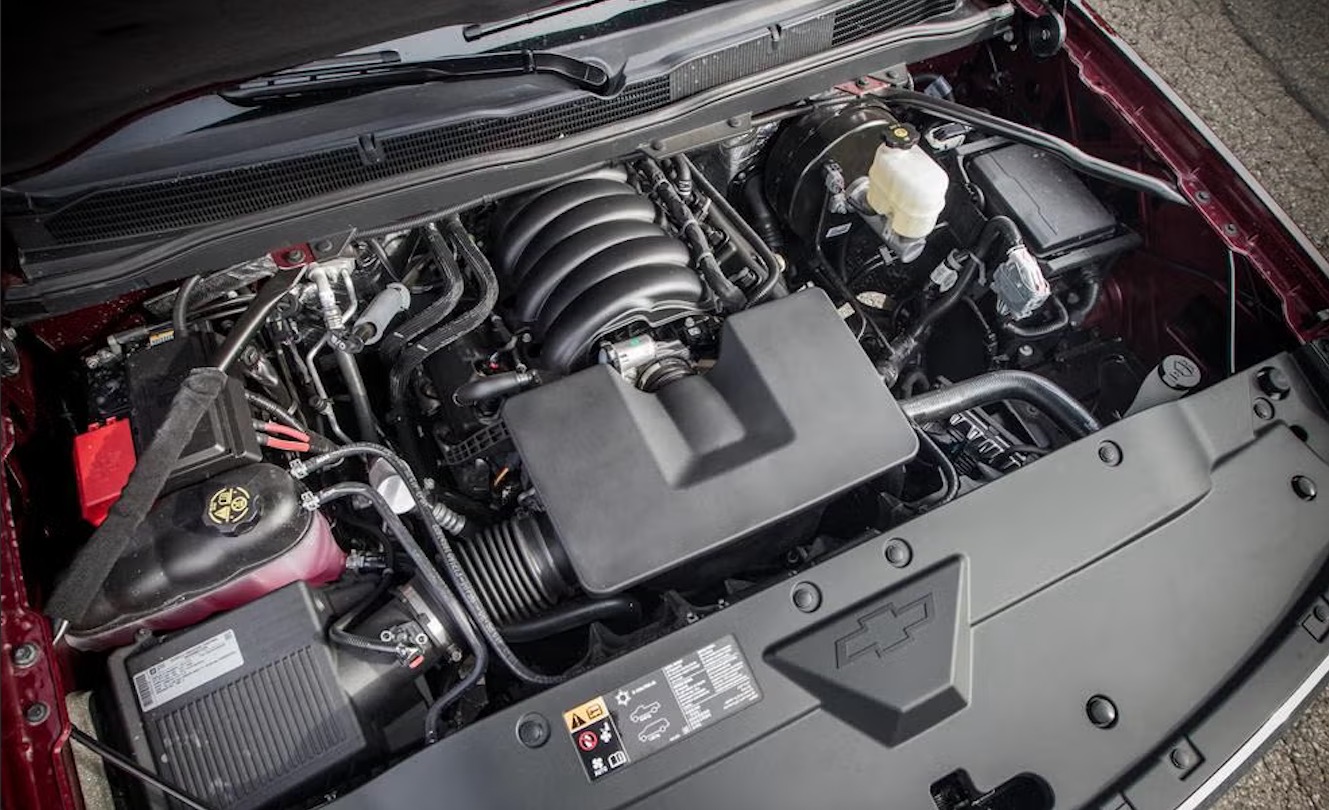 GM, Chevrolet, GMC (RVC Charging Systems)
Silverado, Sierra, Tahoe, Camaro, Corvette
Battery current sensor on the negative cable
Alternator output constantly varies based on demand
Why the Big 3 Breaks This System
Here’s the part nobody on the forums tells you.
When you add extra ground cables:
- You create parallel current paths that bypass the battery current sensor
- You create ground loops
- You are adding redundant pathways that confuses current flow
Now the system has a problem.
The sensor is no longer seeing all the current.
The PCM is now making decisions based on incomplete or incorrect data.
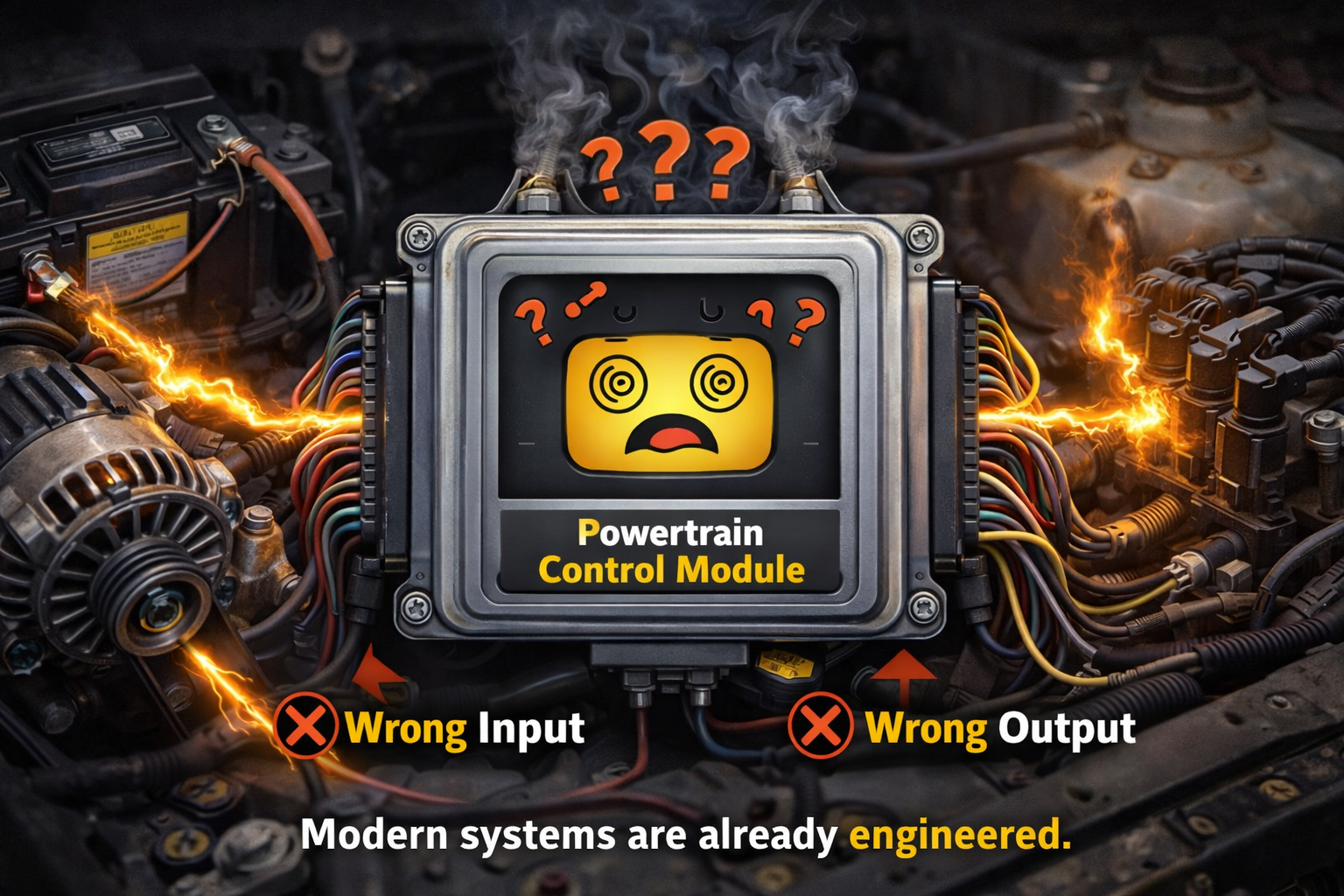 The PCM is now making decisions based on incomplete or incorrect data.
That can lead to:
Reduced alternator outputwire
Erratic charging behavior
Voltage fluctuations
Poor battery performance
Battery warning light or error codes on the dash
Electrical noise (especially in audio systems)
You’ve effectively blinded the charging system.
And the Starter Cable? Still Not Relevant.
The starter circuit:
Upgrading it:
Doesn’t improve alternator output
Doesn’t stabilize voltage
Just adds unnecessary complexity
More Wire Is NOT just “Overkill”.
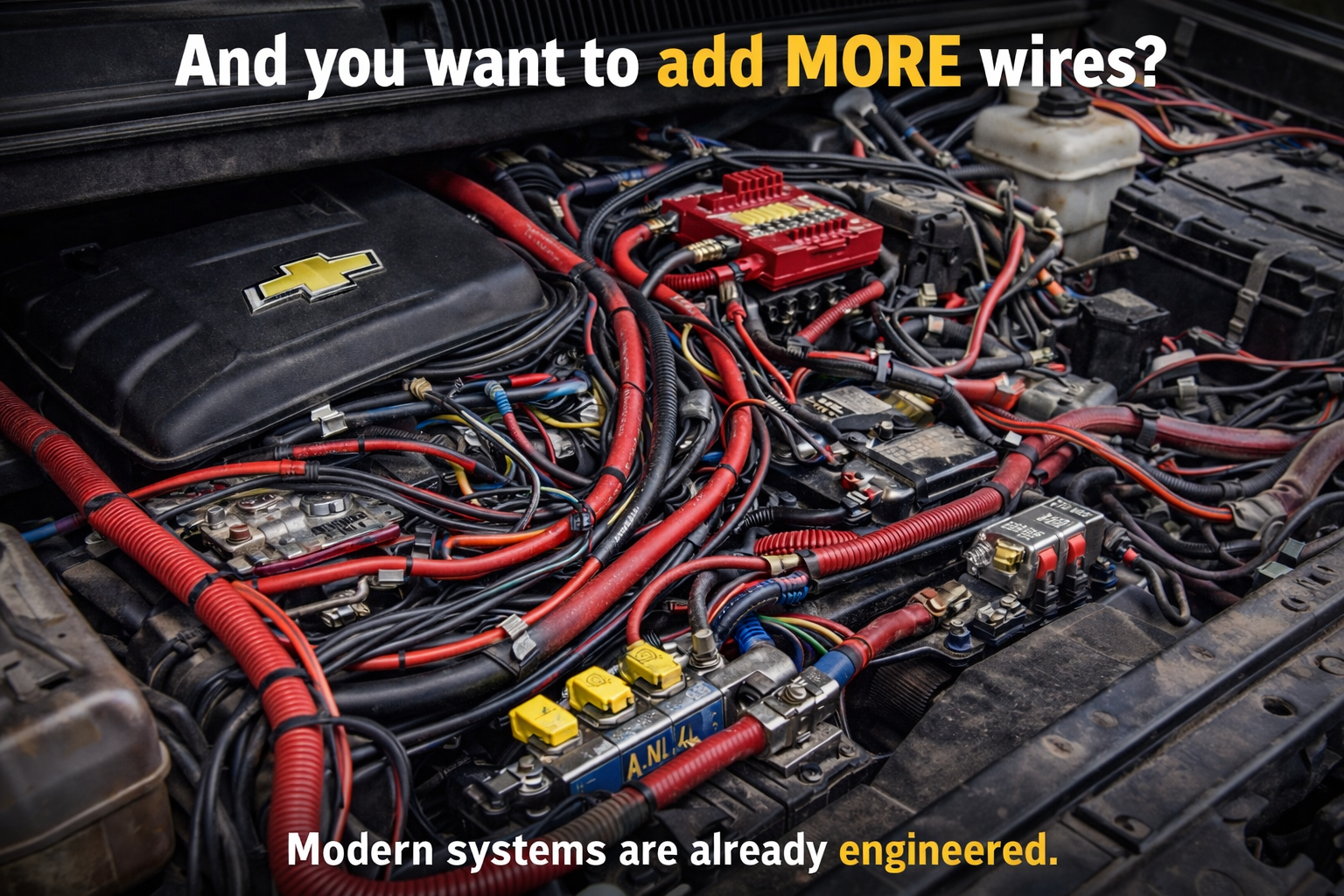 There’s a common mindset:
You can’t have too much wire.
That’s simply not true
Unnecessary wiring:
More is not better. Correct is better.
The New Approach – PowerBastards BIG ZERO Wire Upgrade
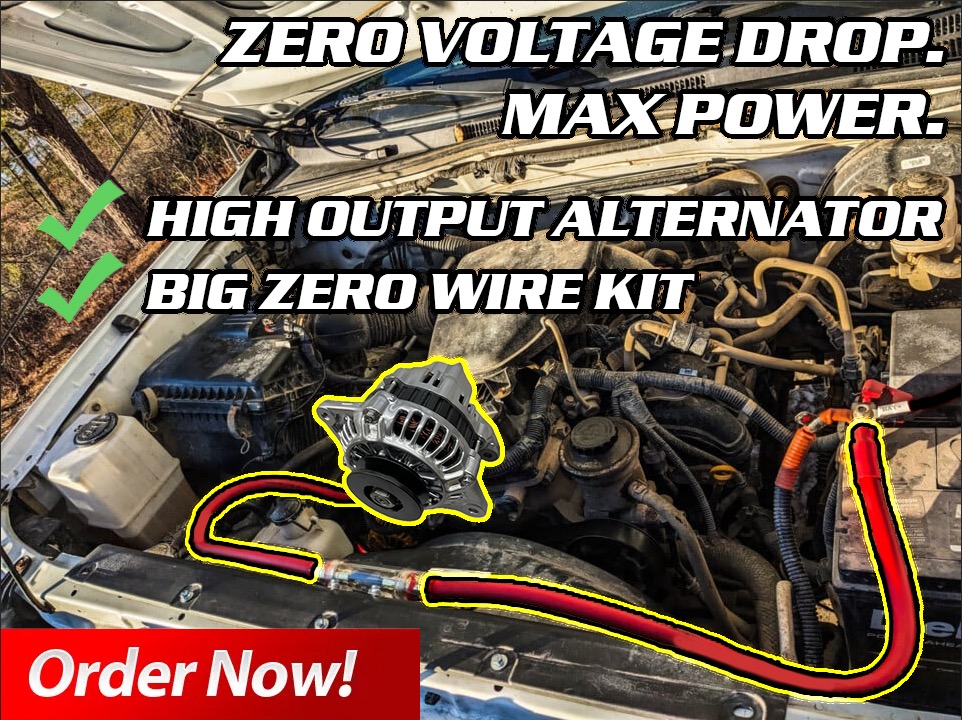 At PowerBastards, we take a different approach:
Upgrade the ONE path that actually matters. The main charge cable: Alternator → Battery. Full Stop.
This is where:
What the BIG ZERO Actually Does.
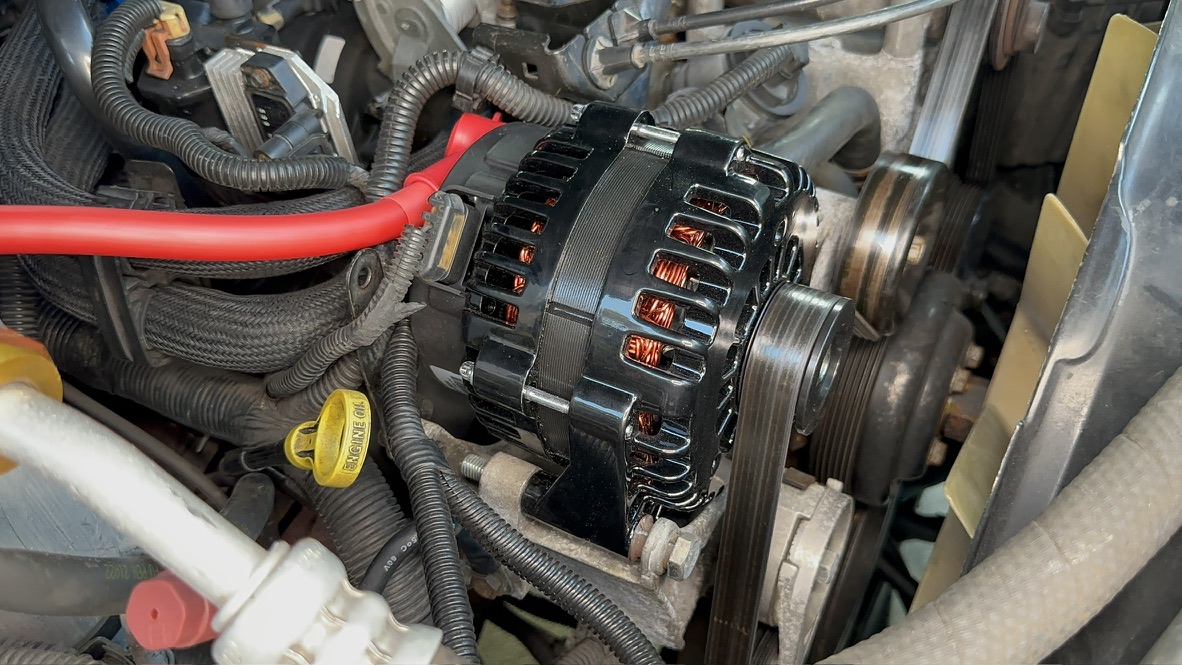
The BIG ZERO is a fused, direct “home run” charge cable that runs directly between your high output alternator and battery.
Think of it as:
A high-capacity parallel path that bypasses the bottleneck of the factory fuse box and undersized wiring — without interfering with the vehicle’s monitoring systems.
Why BIG ZERO Works.
 Keeps the Sensor in the Loop
All current still returns through the factory ground path.
- The BCS sees everything
- The PCM gets accurate data
- The system works as designed
✔ Reduces Voltage Drop Where It Matters
The BIG ZERO charge cable:
Delivers more usable amperage
Improves charging at idle
Supports high-demand accessories
Eliminates voltage loss to the battery
✔ Works WITH the Vehicle — Not Against It
✔ Cleaner, Simpler, More Effective
Fewer cables
Cleaner install
Maximum impact
Why the Big 3 Refuses to Die
 The Big 3 stuck around because:
But nobody stopped to ask:
Does this still apply to modern vehicles?
The Bottom Line
If you’re running a high output alternator on a modern vehicle:
You don’t need more wires.
You need the right wire in the right place.
Stay Charged the Smart Way
The BIG ZERO isn’t a shortcut.
It’s an evolution.



 View ALL Makes
